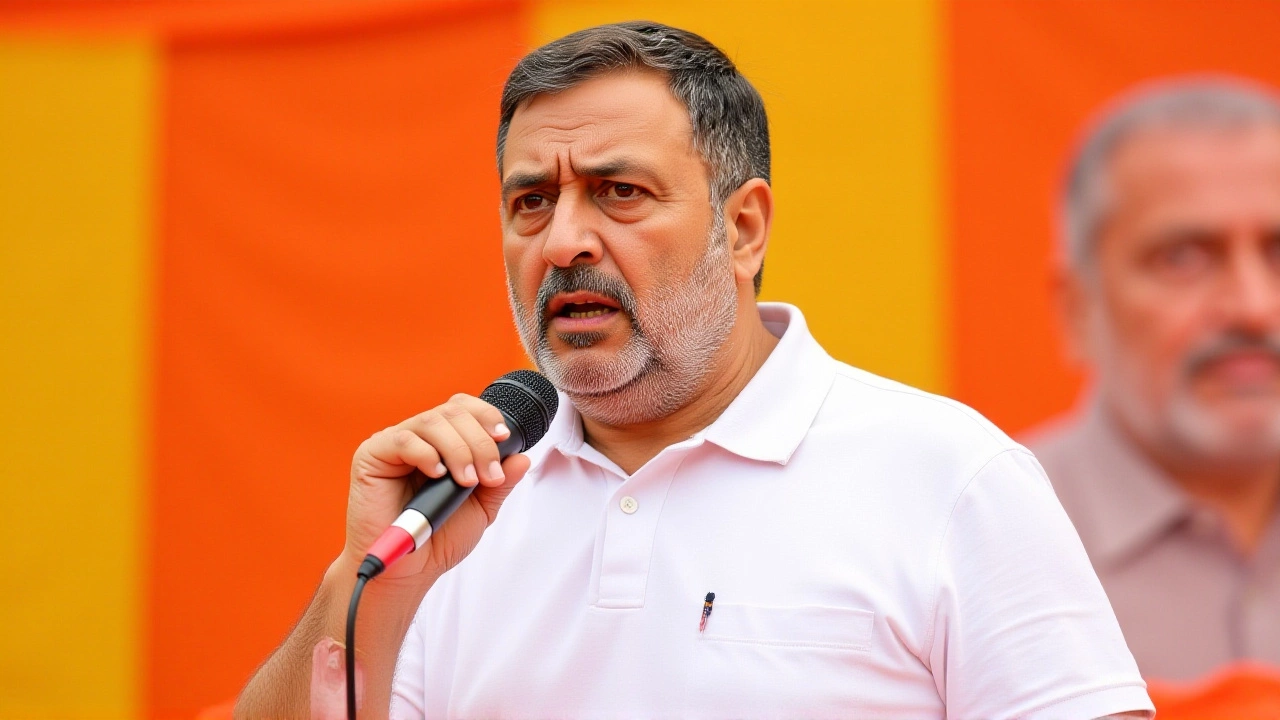
When Rahul Gandhi, Leader of Opposition in the Lok Sabha, took to social media on Monday, 25 May 2026, he didn’t mince words. He labeled Prime Minister Narendra Modi "Inflation Man" and accused the Central government of systematically draining citizens' pockets through a series of rapid fuel price hikes.
The controversy erupted in New Delhi after petrol and diesel prices were hiked for the fourth time in just ten days. For millions of Indian commuters, this isn't just political rhetoric; it's a tangible hit to their monthly budgets as pump prices surge past psychological barriers in major metros.
Here’s the thing: while the government points to global market volatility, the opposition argues this is a calculated post-election strategy. The twist is that these aren't massive, single jumps—they’re small, incremental increases designed to fly under the radar until they add up to something significant.
A Deliberate Strategy or Market Reality?
Gandhi’s attack centered on the timing and method of the price revisions. On the social media platform X, he wrote, "Inflation Man Modi strikes again. They raise petrol-diesel prices in instalments—so that your pocket keeps getting quietly fleeced." This phrasing suggests a deliberate policy choice rather than a reactive measure to external forces.
He claimed that the government had kept fuel prices artificially stable during the recent election period to avoid voter backlash. Now that the voting is over, he alleges, the Union government is implementing a cumulative increase of ₹8 per litre immediately post-election, with more hikes likely to follow. "Modi ji, as always, was busy with elections back then—and the moment elections ended, petrol-diesel was hiked by ₹8," Gandhi stated, implying a direct correlation between electoral cycles and fiscal pressure on households.
The Congress party has amplified this narrative, releasing a statement titled "Daily assault of fuel loot not over yet." This indicates that the issue has moved beyond individual criticism to become a central plank of the opposition’s economic critique against the Bharatiya Janata Party-led administration.
The Numbers Behind the Anger
To understand the scale of the disruption, let’s look at the data. According to reports from The Times of India, the sequence of hikes in May 2026 was relentless:
- 15 May: Petrol and diesel increased by ₹3 per litre each.
- 19 May: A second revision added ₹0.90 per litre to both fuels.
- 23 May: Petrol rose by ₹0.87 and diesel by ₹0.91 per litre.
- 25 May: The latest hike pushed petrol up by ₹2.61 and diesel by ₹2.71 in Delhi.
Taken together, these adjustments resulted in an overall increase of more than ₹7 per litre in less than two weeks. In Delhi, petrol now costs ₹102.12 per litre, while diesel stands at ₹95.20. But the impact is even sharper in other metropolitan hubs. In Kolkata, petrol has climbed to ₹113.51 per litre. In Mumbai, it’s ₹111.21, and in Chennai, it’s ₹107.77. Diesel prices are hovering near or above ₹100 in several markets, marking a significant shift in cost-of-living metrics.
Global Pressures vs. Domestic Policy
But wait—there’s another side to this story. Industry analysts point out that Indian oil marketing companies are facing severe headwinds. The repeated retail fuel price hikes in mid-to-late May are attributed to elevated global crude oil prices, exchange rate fluctuations, and fears of supply disruptions linked to geopolitical tensions in West Asia.
Specifically, concerns related to the Strait of Hormuz—a critical maritime chokepoint for global oil shipments—have contributed to volatility in international crude markets. When global benchmarks rise, domestic prices inevitably follow unless the government absorbs the cost through tax cuts. The decision not to do so has sparked this political firestorm.
This creates a complex dynamic: Is the government failing to shield consumers from global shocks, or is it using those shocks as cover for a broader fiscal tightening? The details are still unclear, but the public perception is leaning toward the latter, fueled by Gandhi’s persistent warnings of an impending "economic storm."
What Comes Next?
The immediate future will depend on whether global crude prices stabilize or continue to climb due to regional conflicts. If tensions in West Asia escalate, we could see further hikes regardless of domestic political considerations. However, if the government maintains its current trajectory without offering relief measures like reduced VAT or excise duties, the political cost may outweigh the fiscal benefits.
For now, the opposition is poised to keep this issue in the spotlight, framing every subsequent price adjustment as evidence of mismanagement. With fuel prices serving as a visible barometer of economic health, the next few weeks will be critical in determining whether this becomes a defining issue for the current parliamentary session.
Frequently Asked Questions
How much have fuel prices increased in the last 10 days?
Fuel prices have increased by more than ₹7 per litre in less than two weeks. This includes four separate hikes: ₹3 on 15 May, ₹0.90 on 19 May, approximately ₹0.90 on 23 May, and around ₹2.60-2.70 on 25 May, depending on the city and fuel type.
Why is Rahul Gandhi calling Modi "Inflation Man"?
Gandhi uses the term to accuse Prime Minister Modi of prioritizing political gains during elections by keeping prices low, only to raise them incrementally afterward. He argues this strategy quietly burdens citizens with higher living costs once the electoral threat is gone.
What are the current petrol prices in major Indian cities?
As of 25 May 2026, petrol prices are ₹102.12/litre in Delhi, ₹113.51/litre in Kolkata, ₹111.21/litre in Mumbai, and ₹107.77/litre in Chennai. Diesel prices are similarly high, ranging from ₹95.20 to ₹99.82 per litre across these metros.
Are global factors contributing to these price hikes?
Yes. Industry reports cite elevated global crude oil prices, currency fluctuations, and geopolitical tensions in West Asia, particularly regarding the Strait of Hormuz, as key drivers. These external pressures force oil marketing companies to adjust retail prices to maintain margins.
Will fuel prices continue to rise?
It depends on global crude trends and government policy. Rahul Gandhi predicts further hikes, stating that the current pattern is just the beginning. If global tensions persist and the government does not intervene with tax cuts, prices may continue to climb in the coming weeks.